Taking Notes from Japanese Stationery

In this series, Inside Made in Japan, we explore the stories, philosophies, and cultural influences behind some of Japan’s most distinctive products and services. From everyday objects to globally recognised innovations, we look at the values, thinking, and processes behind the finished products that make them uniquely Japanese.
For many people, stationery is more than a tool. It is part of the thinking process itself. Whether you’re taking notes, planning a project or keeping a journal, the physical act of writing can help organise thoughts and strengthen memory. Even small details, such as the texture of paper or the smoothness of a pen, can influence how satisfying and productive the experience feels.
This may help explain why Japan’s stationery market continues to thrive despite the shift to digital tools. While stationery is often regarded as a low-interest office supply in many parts of the world, in Japan it occupies a distinct position at the intersection of design, craftsmanship and everyday life. The category supports dedicated expos, enthusiastic fan communities, high-profile product launches and numerous industry awards each year.
Part of this enduring adoration can also be traced back to Japan’s long history with paper and writing. Calligraphy has been practised for centuries, treating writing not merely as a means of communication, but as a craft and form of expression. The Japanese writing system may also play a role. With intricate kanji characters made up of many small strokes, factors such as pen-tip precision, ink flow and paper quality can have a noticeable impact on legibility and comfort. Japanese manufacturers understand that these small details shape the overall writing experience and continue to refine their products with this in mind.
Japanese Stationery Awards
Japan’s unique appreciation for stationery is also reflected in its awards and industry events. The Japan Stationery Awards, now in its 35th year, recognises standout products across categories such as design, functionality and innovation.
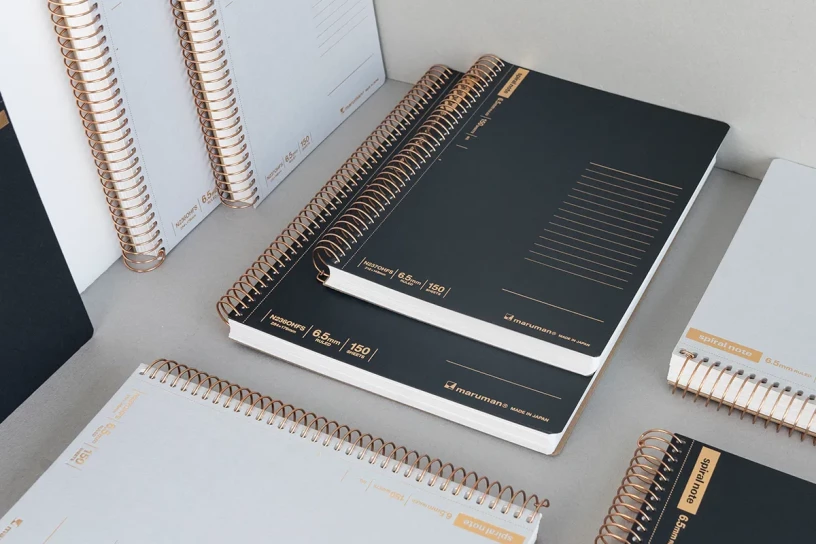
The 2026 Grand Prix was awarded to Maruman’s Spiral Note Basic, a notebook recognised for its thoughtful balance of simplicity, usability and writing comfort. Its selection highlights how even familiar stationery products continue to be refined, with careful attention given to details such as paper quality, ease of use and the overall writing experience. Its minimalist design also reflects a broader consumer preference for products that feel simple and understated, while still offering a sense of quality and craftsmanship.
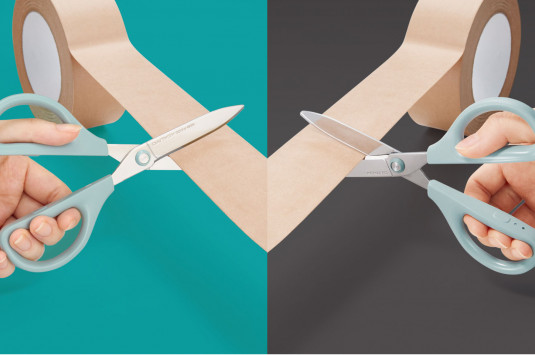
This attention to detail can also be seen in previous winners such as KOKUYO's SAXA scissors, which were recognised for addressing a highly specific but familiar problem: glue and adhesive residue building up on the blades during repeated use. Everyday inconveniences that might be overlooked elsewhere often become opportunities for refinement. In Japanese stationery, innovation is not always about creating something entirely new, but about improving existing products through careful observation, iteration and attention to detail.
© Maruman & KOKUYO
The Classics and Bestsellers
Japanese stationery is often known for its quality, functionality and thoughtful design. Broadly, it can be thought of in two categories.
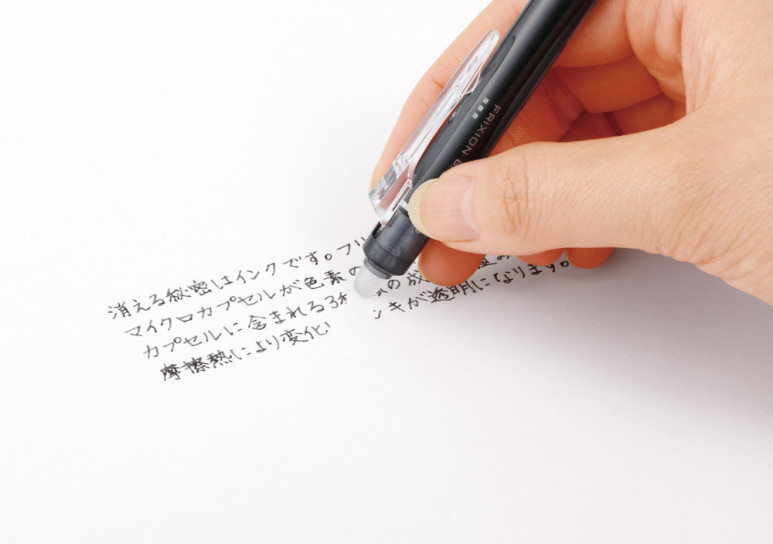
The first is highly functional, well-engineered stationery designed to solve small, everyday frustrations. Pilot Corporation’s Frixion pen, for example, became popular for its erasable ink. Less well-known is the story behind its invention. The technology traces its origins to a colour-changing ink inspired by autumn leaves that appeared to transform overnight. Pilot spent nearly 30 years refining the concept before developing the thermochromic “Metamo Ink” technology that made the Frixion possible.
Mechanical pencils that dispense lead with a quick shake, such as the MONO graph by Tombow, are other examples of how Japanese manufacturers continue to refine even the most familiar tools.
© PILOT CORPORATION & Hobonichi Co., Ltd.
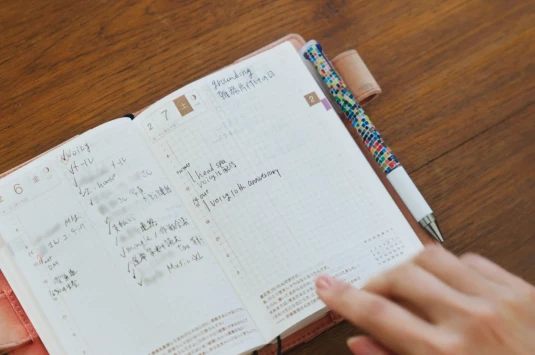
The second category is stationery as a hobby, collection and self-expression. Products like Hobonichi planners have built strong fan communities both in Japan and overseas, turning journaling into a lifestyle. Known for their thoughtfully designed layouts, premium Tomoe River paper, and annual collaborations with artists, designers and brands, Hobonichi planners have become more than organisational tools. They are personal companions that encourage creativity, reflection and self-expression. For many users, choosing a new Hobonichi each year has become a ritual in itself.
Washi tape is another interesting example. Originally developed by Japanese industrial masking manufacturer Kamoi Kakoshi for construction use, it was later reimagined as a creative product for crafts and decoration.
From collectable stationery, stickers and tapes, stationery in Japan is not always just about productivity. For many people, it is also about creativity and personal expression.
Eat Team Recommendations
© Ryohin Keikaku Co., Ltd.
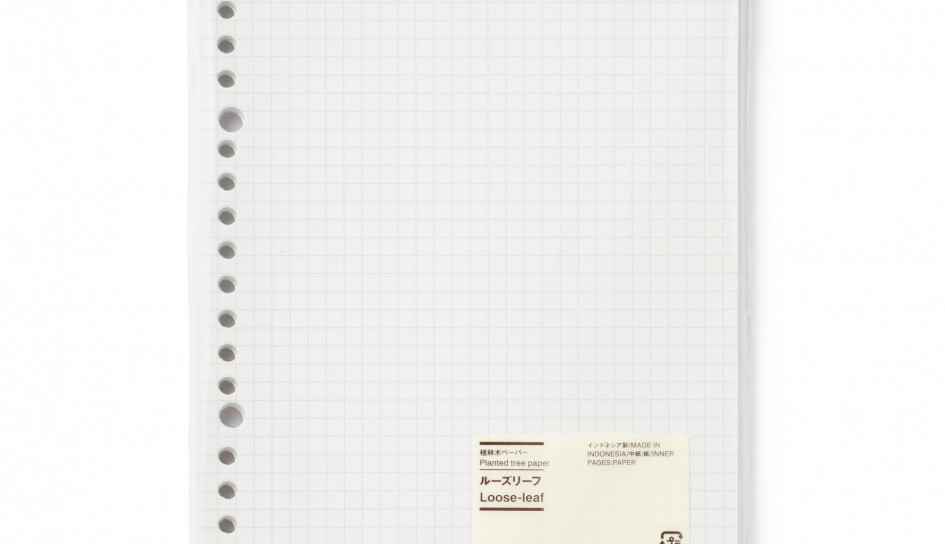
MUJI Refillable Notebook and Paper – Kanako Fujioka, Project Manager
MUJI's simple and sustainable notebook designed for long-term use. The refillable format makes it highly practical, while the plain, customisable cover allows for plenty of room for personalisation and labelling with your favourite masking tape and stickers. Available in a variety of sizes, paper and cover materials, it’s suitable for study, work, and personal diary use. You can also reorganize your notes as needed since the binding is openable. It’s the best!
© Dreams Inc.
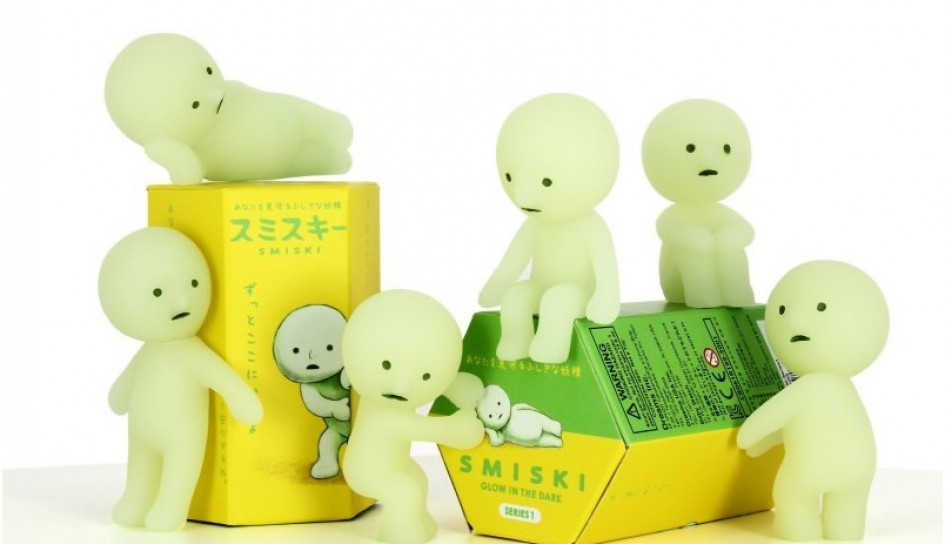
Smiski – Emilie Delarge, Art Director
Cute collectable figures that glow in the dark. Adds a small moment of fun and personality to your space. A little companion by your side to brighten up your day (or night, as it glows in the dark) when you need a break from a busy day at your desk

© Kokuyo Co., Ltd.
Kokuyo’s Flat-Opening Notebook – Chiemi Suyama, Senior Designer
Kokuyo’s “Flat Opening Notebook”, as the name suggests, opens completely flat, creating a smooth and comfortable writing experience. Its special binding reduces the raised centre fold often found in traditional notebooks, making it especially practical for note-taking and sketching. As Chiemi says, ‘It’s incredibly satisfying to write in'.
© Ryohin Keikaku Co., Ltd.
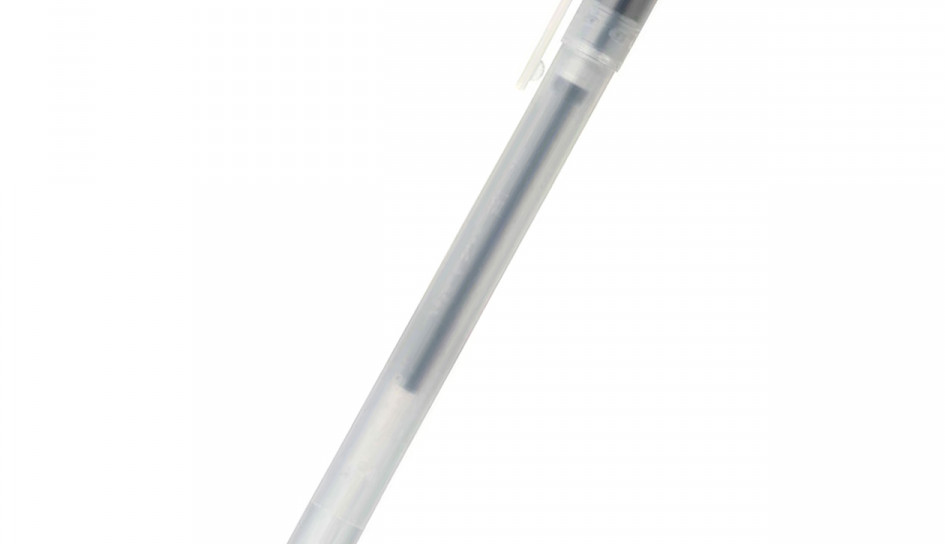
Muji Gel Ink Ballpoint Pen – Ami Frost, Design & Strategy Associate
A reliable everyday pen with smooth-flowing ink. Its precise tip makes it great not only for notes but also for quick sketches. Designed with Muji’s signature minimal aesthetic, the pen is refillable, making it both practical and sustainable for long-term use. Ami has used the same pen exterior for more than 5 years now!
© Pentel Co., Ltd.
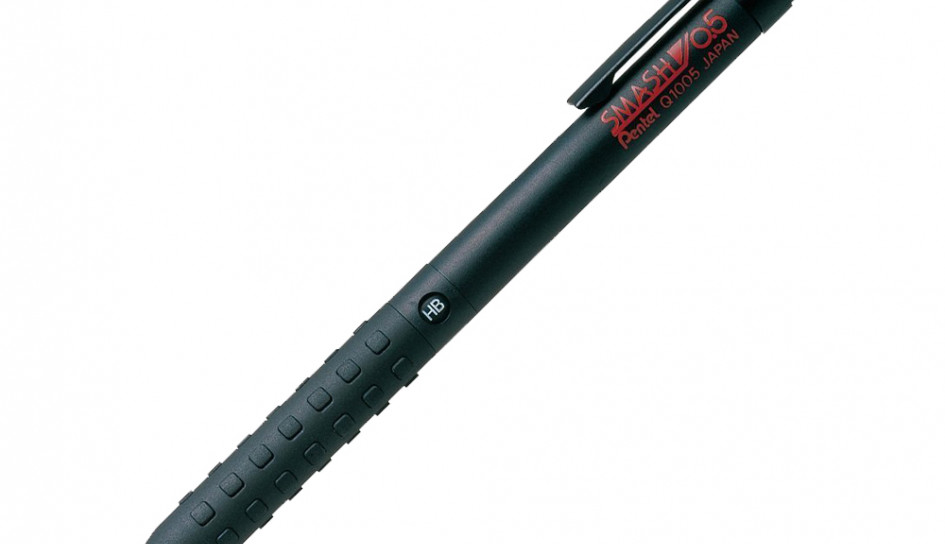
Pental Smash 0.5 - Kyle Ahmet, Art Director
Originally developed as a mechanical pencil inspired by drafting tools, the Pentel Smash mechanical pencil is known for its comfortable grip and precise control. The integrated grip and weighted tip create a stable writing experience for both note-taking and sketching. Kyle has used the same pencil since design school.
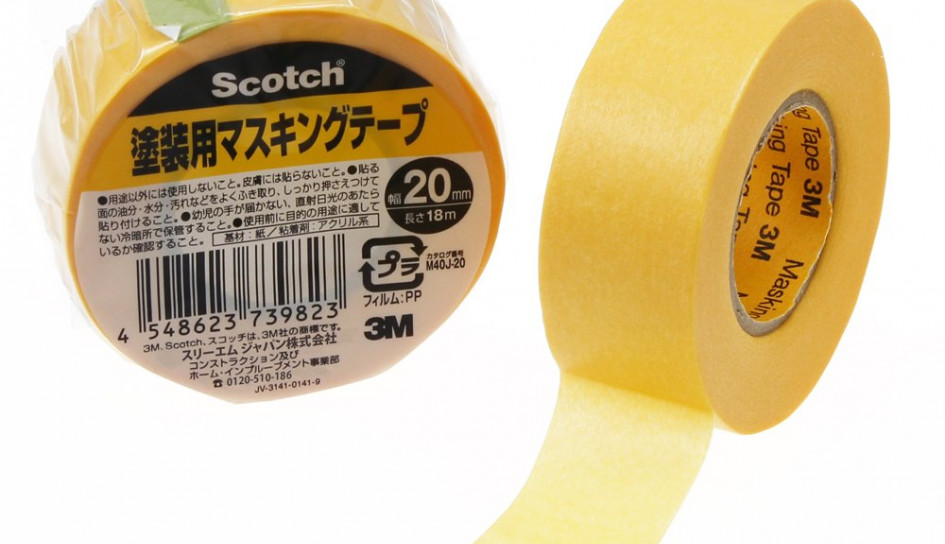
© 3M Company
3M Masking Tape – Ayako Chujo, Co-Founder & President
Created in 1925 to help create clean paint lines for the first two-tone automobiles, nearly a century later, the same clean-release technology makes it just as useful around the home. It sticks securely yet peels away without leaving residue, making it perfect for temporarily hanging notes and artwork on walls. Available in a variety of widths, it's a product loved for its versatility, great for labelling food containers, organising travel items, and countless other everyday uses.
If you enjoyed this piece, subscribe here to The Eat Digest - our monthly newsletter covering our latest insights, Japan brand and marketing news, and more.